
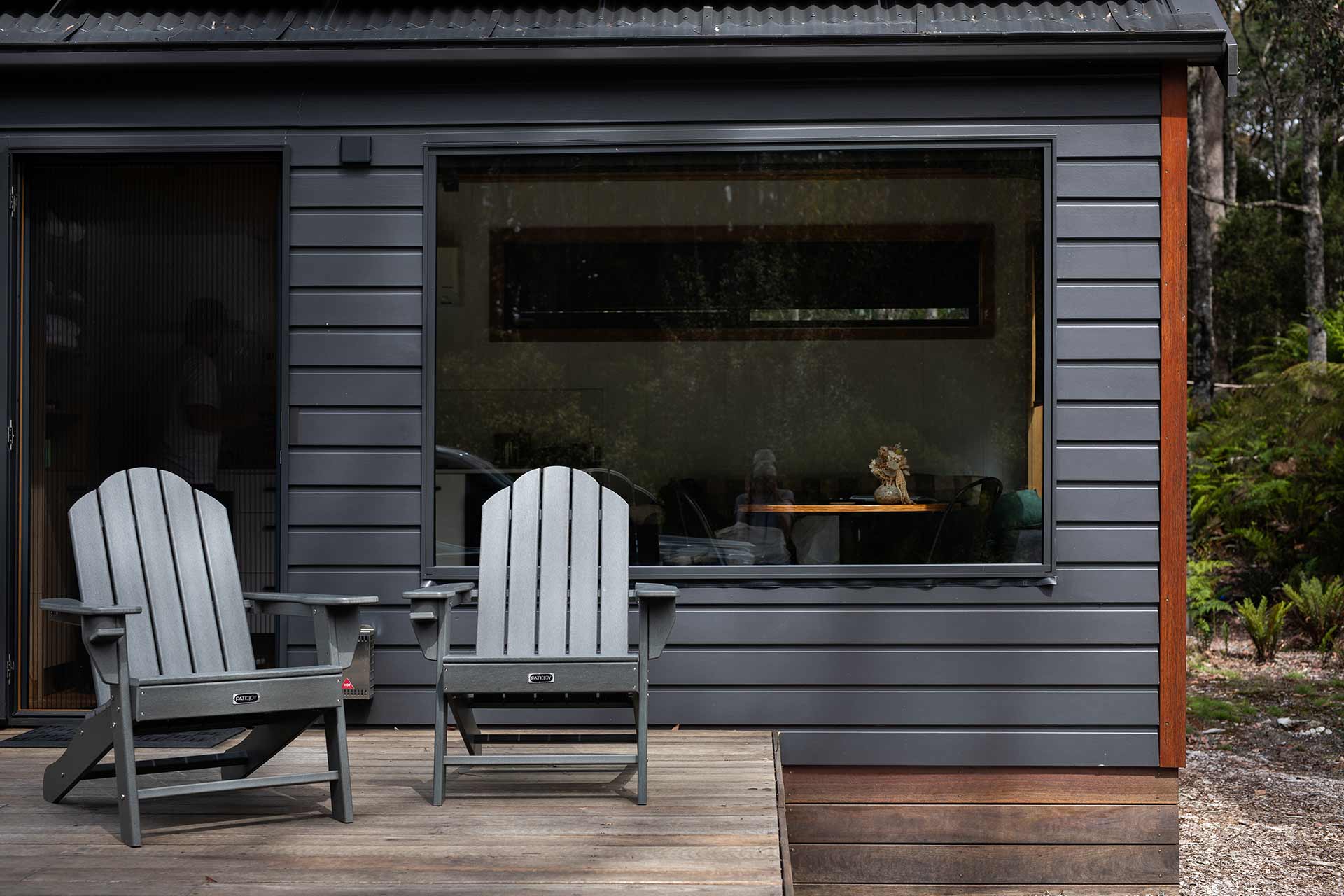
From 15 January 2026, New Zealand homeowners will be able to build small standalone dwellings — commonly known as granny flats — without needing a building consent.
The change is designed to help address housing shortages, support multi-generational living, and reduce red tape for homeowners wanting extra space on their property.
Under the new rules, granny flats of up to 70 square metres can be built if they meet strict conditions. The dwelling must be single-storey, detached from the main house, self-contained, and built using lightweight construction methods. It must also comply fully with the New Zealand Building Code and be designed or supervised by a Licensed Building Practitioner.
While many people see this as a major simplification, the exemption does not remove all council involvement. Homeowners must still apply for a Project Information Memorandum (PIM) before construction begins. Councils can use the PIM process to identify hazards, infrastructure limitations, and planning restrictions. They may also charge development contributions to help fund local infrastructure needed to support growing communities.
Because councils will not inspect exempt granny flats or issue Code Compliance Certificates, responsibility now rests heavily with homeowners and the professionals involved. Owners must ensure the project fully complies with the law and must submit final plans and construction documentation to the council once the build is complete.
You are required to submit all required documentation to the council within 20 working days of completion and pay any applicable development contribution fees. Failure to do so can result in an infringement notice.
It is important to note that district plan rules and land-use controls still apply. Some sites may still require resource consent because of zoning restrictions, heritage protections, flood hazards, or setback requirements. Whether a granny flat can be rented out separately or used for short-term accommodation will also depend on local planning rules.
The new National Environmental Standard (NES-DMRU) overrides some District Plan rules for compliant granny flats, including windows-to-street, landscaped area, and height-to-boundary requirements. However, other rules still apply, such as those relating to stormwater, permeable surfaces, minimum floor levels, natural hazards, and earthworks.
Whether resource consent is required depends mainly on the property’s zoning and whether the proposal complies with all applicable standards.
